EXTREMADURA - CÁCERES - A FEW DAYS IN PLASENCIA
A FEW DAYS IN PLASENCIA - CÁCERES
We originally planned this trip to see the almond trees in blossom, but unfortunately, we arrived a little too early. Instead, we took the opportunity to explore Plasencia, a historic walled market town in Cáceres province, Extremadura, with a population of about 40,000.
Plasencia has a fascinating medieval past, two impressive cathedrals and an excellent selection of traditional restaurants and tapas bars. During our visit, we wandered through its historic quarter, discovered local gastronomy, and enjoyed the lively atmosphere of Plaza Mayor, the town’s heart.

History of Palencia.
King Alfonso VIII of Castile founded Plasencia in 1186, recognising its strategic importance at the entrance to the Jerte Valley. Situated on the banks of the River Jerte, close to the historic Silver Route (Ruta de la Plata), the town was fortified with defensive walls, towers and gateways, several of which can still be seen today.
During the Middle Ages, Plasencia became an important commercial centre, with a thriving Jewish community and a regular market that drew traders from the surrounding countryside. The Jewish quarter was once among the most important in Extremadura, and traces of its heritage can still be discovered in the old town.
From the 15th century onwards, members of the region’s nobility settled in Plasencia, building impressive palaces and noble residences that helped shape the town’s architectural character. Many of these historic buildings can still be admired today.
One of Plasencia’s oldest traditions is its Tuesday market, which dates back to medieval times and continues today in the Plaza Mayor.
Every August, the town celebrates Martes Mayor, a colourful festival that commemorates its long trading history and brings the streets to life with traditional costumes, market stalls and entertainment.

We stayed at the
HOTEL PALACIO CARVAJAL GIRÓN
Plaza Ansano, 1, 10600 Plasencia, Cáceres +34 927 42 63 26 www.palaciocarvajalgiron.com

This charming hotel occupies a beautifully restored 16th-century Renaissance palace, combining historic character with modern, tastefully decorated rooms. In the heart of Plasencia’s old Jewish quarter, it offers a great way to stay in a historic building, just a short walk from the cathedral and the town’s main attractions.
Another excellent spot to stay would be
PARADOR DE PLASENCIA Plaza de San Vicente Ferrer, 10600 Plasencia +34 927 42 58 70
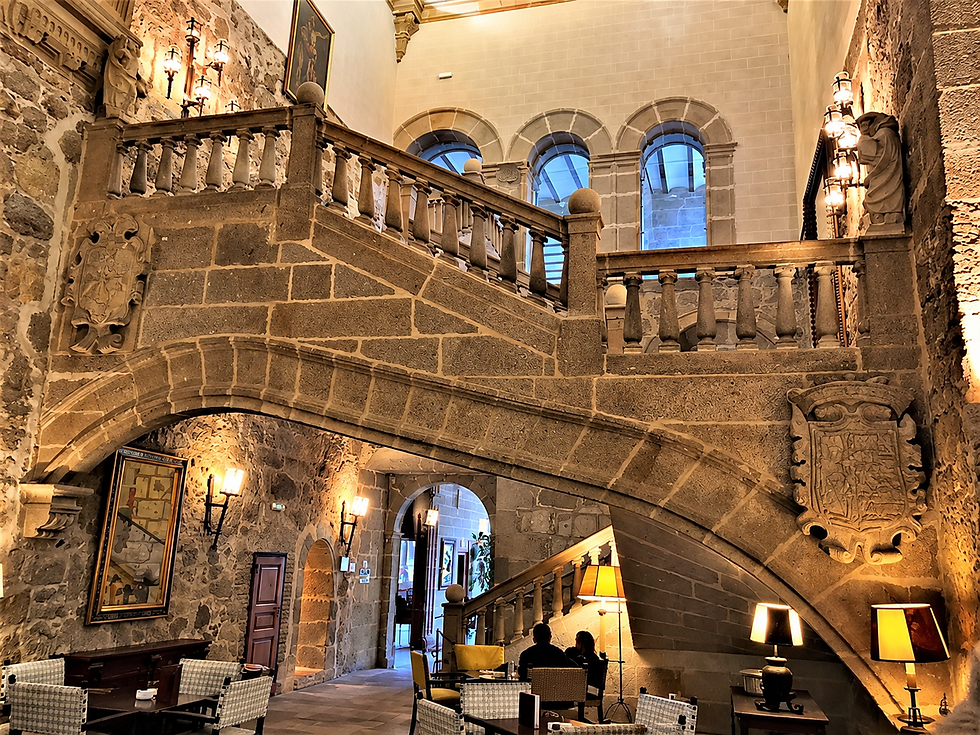
The Parador is in the old quarter and occupies the Santo Domingo Monastery, built in the 15th century.

Plasencia is strategically located close to the historic Ruta de la Plata (Silver Route), an ancient trading route that later became an important pilgrimage route to Santiago de Compostela.

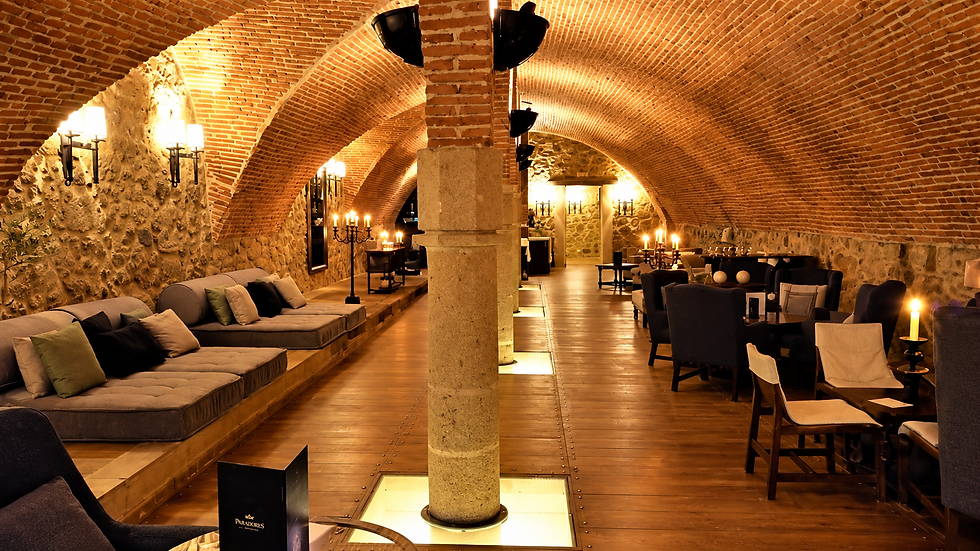
The bodega at the Parador
On the first evening, we ate at the excellent restaurant.
TENTEMPIE Calle Santa María 11, Plaza De San Esteban, 10600 Plasencia +34 927 41 73 64

This modern gastrobar served what was probably the best food we enjoyed during our stay in Plasencia.

We tried a few of their dishes, including:
Tataki de atún (tuna tataki).

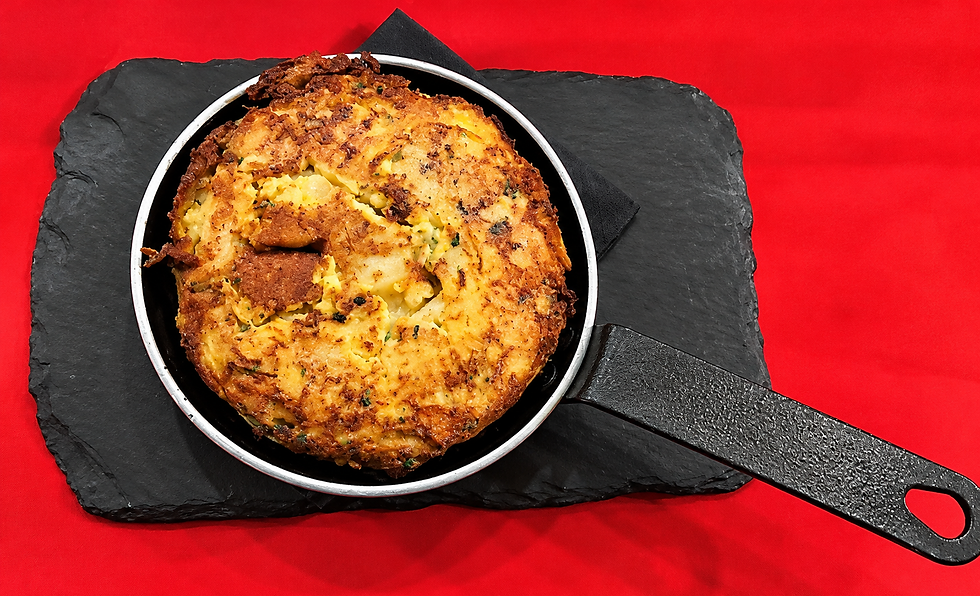
Mini Tortilla.
Pato Pekin (Peking duck bun).

Ensalada de quinoa (quinoa salad).

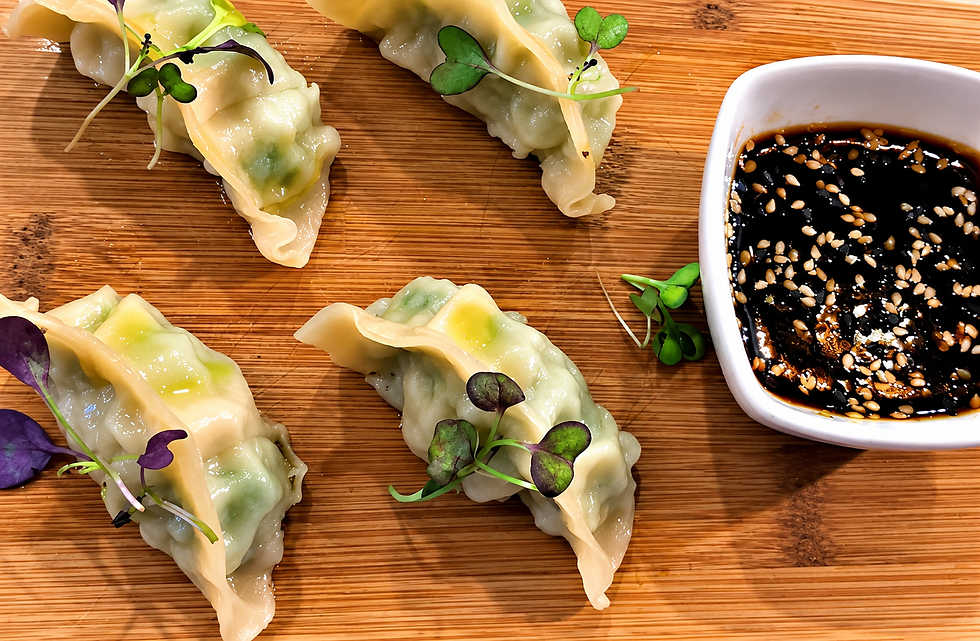
Gyozas de langostinos y jengibre (prawn and ginger dumplings).
The music and service were good despite the busy atmosphere.

With a good selection of wines and beers.

Other restaurants and bars we tried include:
EL RINCON DE AMADOR
Calle San Esteban 14, 10600 Plasencia +34 927 41 30 21

Located just off Plasencia’s main square, this charming restaurant offers a varied menu of traditional local dishes. We tried one of the region’s specialities, migas con huevo, a rustic dish of fried breadcrumbs served with an egg.

BAR DANUBIO
Plaza Mayor, 23, 10600 Plasencia, Cáceres +34 927 42 23 08

No visit to Plasencia is complete without spending time in Plaza Mayor, the town’s lively heart. Some evenings, you may come across groups of musicians in traditional minstrel-style cloaks, carrying lutes and guitars as they wander through the square singing. It’s a wonderful place to sit back, enjoy the atmosphere and watch the world go by.
Enjoy a drink while browsing the traditional menu pictured above, featuring plenty of old-fashioned Spanish dishes you don’t see as often these days.
RESTAURANTE MAGARI Calle Santa Clara, 6, 10600 Plasencia, Cáceres +34 927 70 13 21 www.restaurantemagari.es


A good place for a main meal or tapas
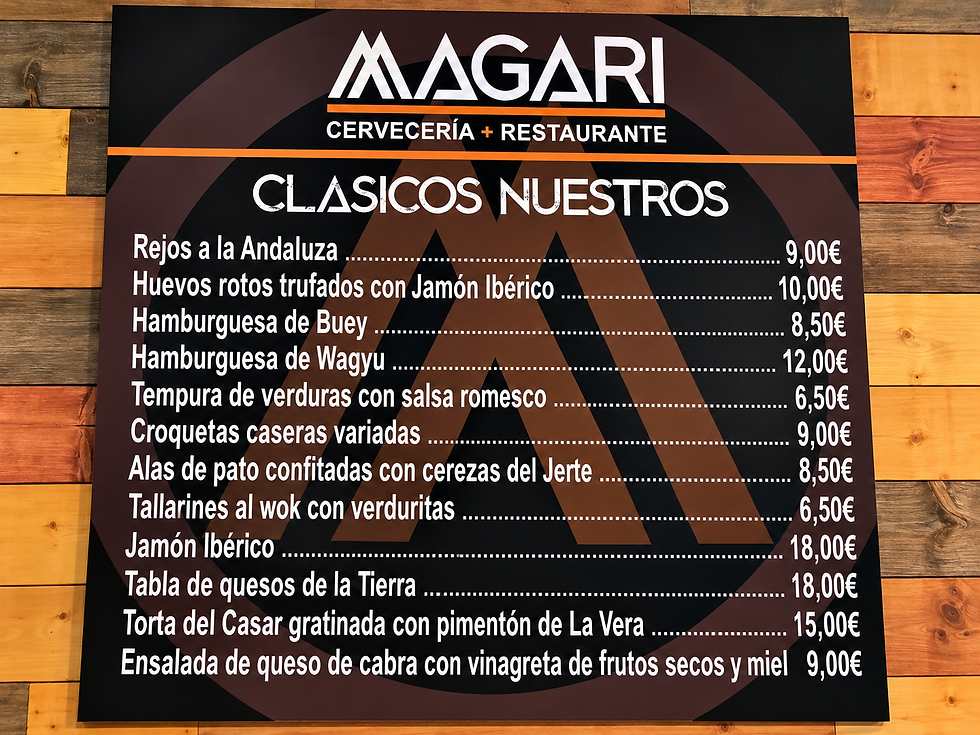
Magari is located downtown, near the Cathedral, and offers an excellent menú del día for €15.90.
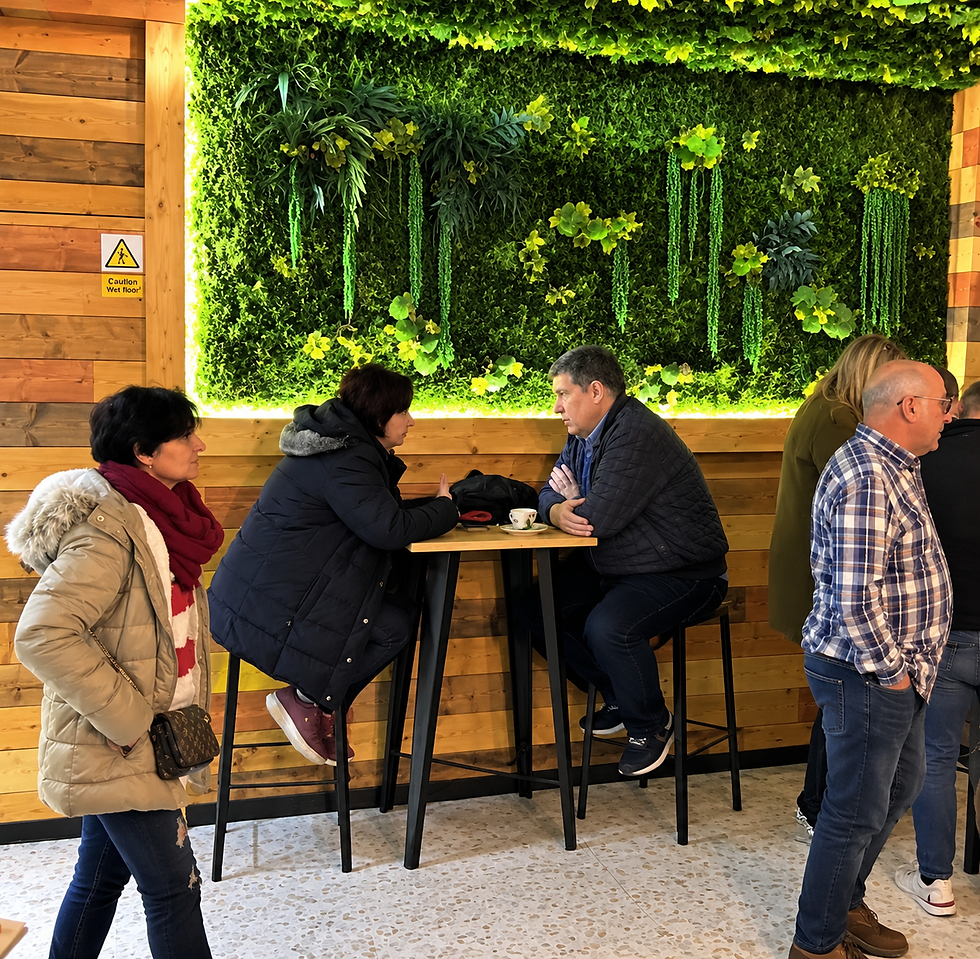
The restaurant has an internal living garden.
We had the speciality, rabo de toro (oxtail).

EL RINCÓNCITO Calle Vidrieras 8, 10600 Plasencia, Cáceres +34 927 41 11 50

The cuisine here offers a slightly more modern take on traditional Spanish dishes, with generous portions and attractive presentation.
We enjoyed a chickpea hummus tartlet and crispy aubergine with chestnut honey and pimentón de la Vera.

Focaccia caprese (tomate, mozzarella e origano).

PASTELERÍA VIRGIN DEL PUERTO
Calle Morenas, 15, 10600 Plasencia, Cáceres, +34 927 42 09 27

This lovely spot for breakfast is just a short walk from Plasencia’s Plaza Mayor, directly opposite the Church of San Esteban. It’s an ideal place to enjoy coffee with a tempting selection of cakes and pastries.

The Cathedrals of Plasencia
One of Plasencia’s most remarkable attractions is its unusual cathedral complex, consisting of two cathedrals built together over several centuries.

The Old Cathedral (Catedral Vieja) dates back to the 13th century and combines Romanesque and Gothic architecture. It features an attractive cloister, an impressive Romanesque entrance and the distinctive Torre del Melón.
Construction of the much grander New Cathedral (Catedral Nueva) began in 1498, intended to replace the original building. However, the ambitious project was never fully completed, leaving the two cathedrals joined together.

The New Cathedral is particularly impressive, with its elaborate Gothic and Renaissance architecture, magnificent vaulted ceilings, beautifully carved choir stalls and an ornate main altarpiece.

Together, the two cathedrals offer a fascinating glimpse into several centuries of Spanish religious history and architecture.
Our trip to Plasencia was an excellent opportunity to discover more about the town’s fascinating history, rich cultural heritage and traditional gastronomy. With its historic architecture, lively squares, and excellent local cuisine, Plasencia proved to be a thoroughly enjoyable destination and one well worth exploring.
You can follow us here;
INSTAGRAM - @renoirspanishguides
YOUTUBE - Renoir Spanish Guides
MIXCLOUD MUSIC - Mikeyb
TIKTOK - Renoir Spanish Guides
TWITTER - @RenoirGuides
FACEBOOK - Renoir Spanish Guides - Food, Drink & Places
Please click on the link below ☕. Thank you.


